
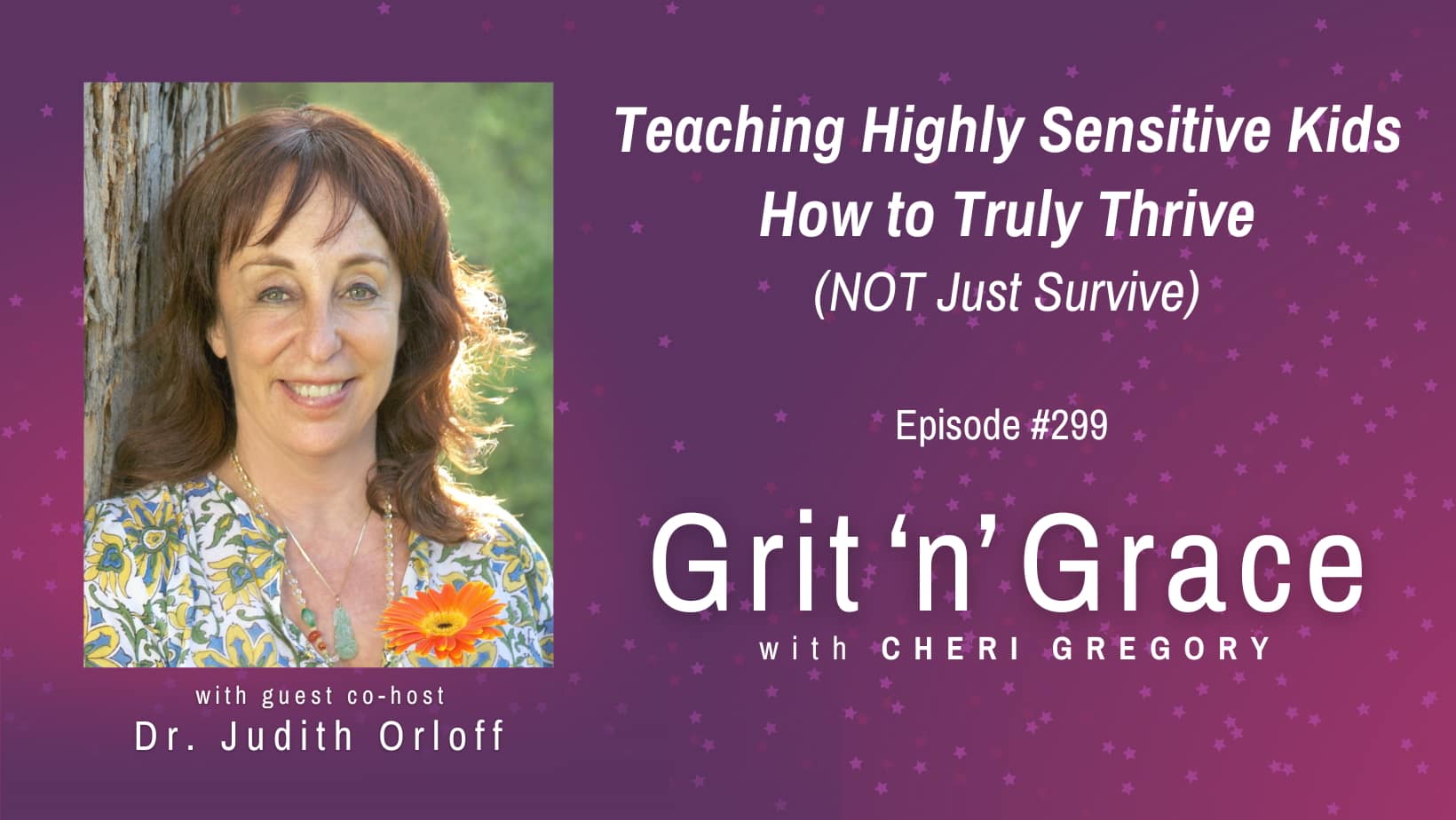
#299: Teaching Highly Sensitive Kids How to Truly Thrive (Not Just Survive)
Have you ever found yourself thinking, “If I’d known how to honor my sensitivity sooner, maybe life wouldn’t have felt like such a fight to survive”?
If so, you’re not alone. And today’s episode explores what it looks like—in real life—to thrive as a Highly Sensitive Person.
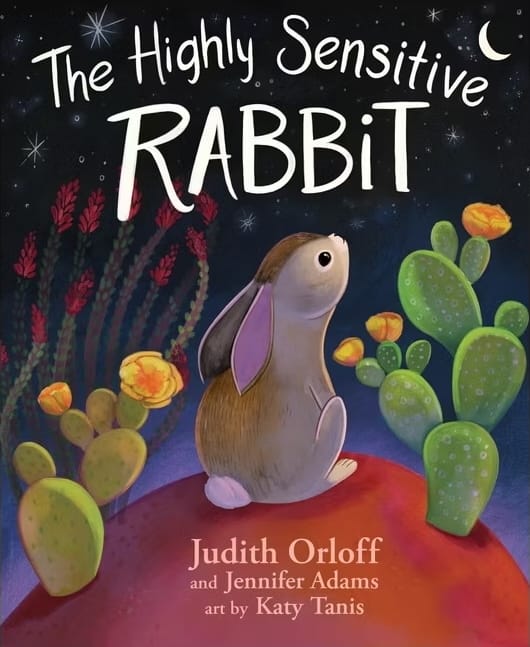
My guest co-host is best-selling author Dr. Judith Orloff, and we’re talking about her new children’s book, The Highly Sensitive Rabbit. It’s a sweet story that helps HSP kids (and tender-hearted grown-ups!) build everyday tools for boundary-setting, emotional balance, and self-trust.
We discuss how to turn “crybaby” moments into connection, how to reframe empathy as courage, and how to nurture that inner child who still needs to be seen and soothed.
This conversation offers fresh insight and gentle practices to help every sensitive soul—young or grown—thrive with confidence and self-compassion.
(This page contains affiliate links. Your clicks and purchases help support Grit 'n' Grace at no extra charge to you.)
Resources
- Episode #299 Transcript
- Order The Highly Sensitive Rabbit
- Check out Dr. Judith Orloff’s website
- Take the “Am I a Highly Sensitive Person?” Self-Quiz
- Learn about the Sensitive & Strong Community Cafe
Cheri Gregory

Through scripture and story-telling, Cheri Gregory delights in helping women draw closer to Jesus, the Strength of every tender heart.
Cheri is the co-facilitator of Sensitive & Strong: the place for the HSP Christian woman to find connection. And she’s the founder of Write Beside You coaching for HSP Christian writers, coaches, and speakers.
Cheri speaks locally and internationally for women’s events and educational conferences. She’s also the coauthor of five books: You Don’t Have to Try So Hard, Overwhelmed, and An Abundant Place (with Kathi Lipp); Sensitive & Strong (with Denise J. Hughes); and Exhale (with Amy Carrol).
Cheri and her college sweetheart, Daniel, have been married for over three decades; they’ve spent the last 19 years living and serving on the campus of Monterey Bay Academy on the central California coast.
You can connect with Cheri thru her website, on Facebook, and via Instagram.
Judith Orloff, M.D.
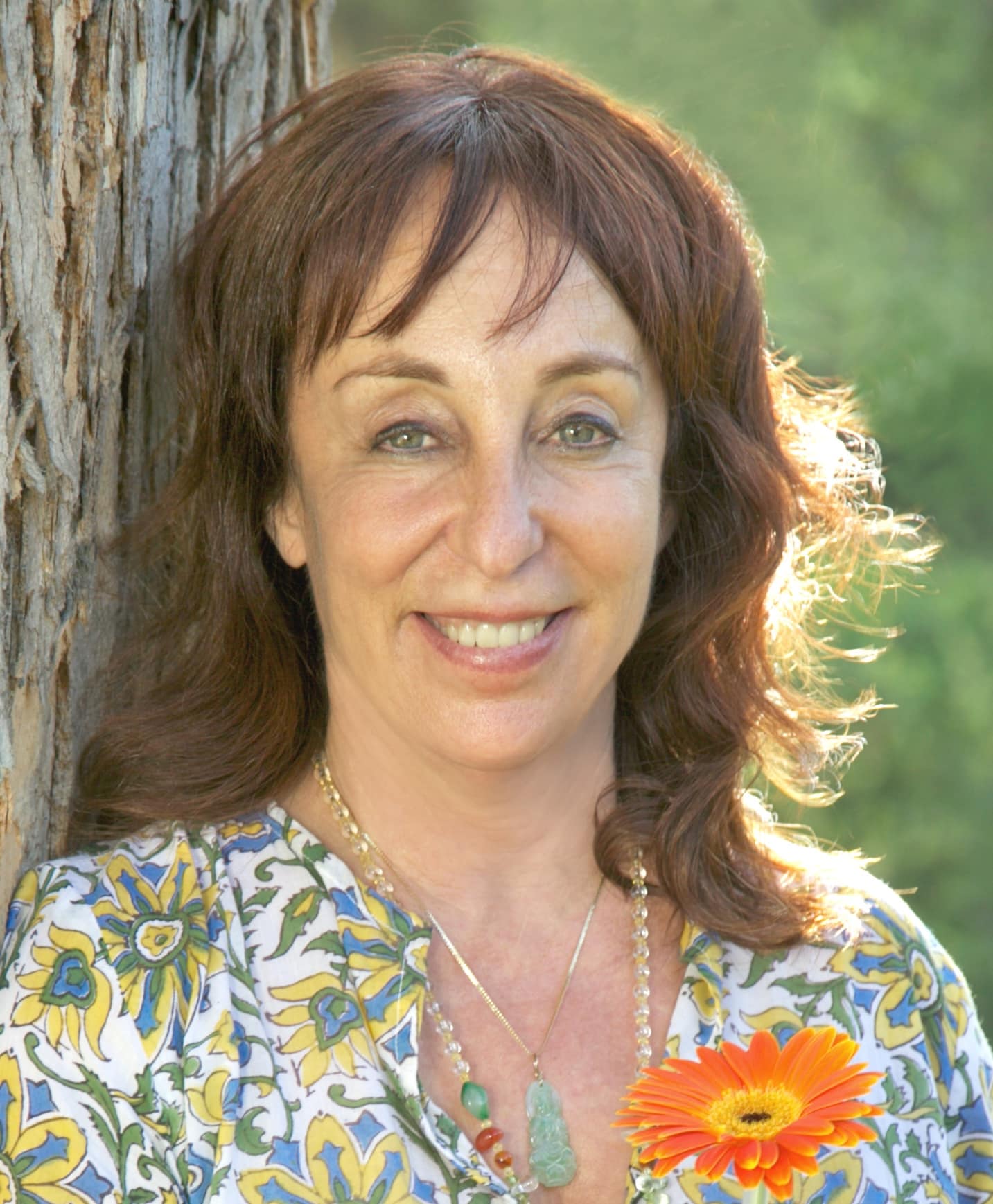
Dr. Judith Orloff is a New York Times best-selling author, a psychiatrist, and a Highly Sensitive Person. She’s the author of the new children’s book The Highly Sensitive Rabbit—a sweet story about a caring cottontail who’s shamed for her sensitivities but learns to embrace them.
Dr. Orloff has also written The Genius of Empathy, The Empath’s Survival Guide, and Emotional Freedom. In her medical practice, she specializes in helping Highly Sensitive Persons navigate life with greater understanding and self-compassion.
Through her writing and teaching, she helps people embrace their sensitivity, steward their physical and emotional resources, and live with greater peace and purpose.
She’s also spoken at Google-LA and TEDx. You can learn more at DrJudithOrloff.com.
Transcript
Transcript — scroll to read here (or download above)
****
Grit ‘n’ Grace — The Podcast for Highly Sensitive Christian Women
Episode #299: Teaching Highly Sensitive Kids How to Truly Thrive (Not Just Survive)
Cheri Gregory: Have you ever found yourself thinking, “If I’d known how to honor my sensitivity sooner, maybe life wouldn’t have felt like such a fight to survive”?
If so, you’re not alone. And today’s episode explores what it looks like – in real life – to thrive as a Highly Sensitive Person.
My guest co-host is best-selling author Dr. Judith Orloff, and we’re talking about her new children’s book, The Highly Sensitive Rabbit. It’s a sweet story that helps HSP kids (and tender-hearted grown-ups!) build everyday tools for boundary-setting, emotional balance, and self-trust.
We discuss how to turn so-called ‘crybaby’ moments into connection, how to reframe empathy as courage, and how to nurture that inner child who still needs to be seen and soothed.
This conversation offers fresh insight and gentle practices to help every sensitive soul – young or grown – thrive with confidence and self-compassion.
[Intro music]
Welcome to Grit ‘n’ Grace – The Podcast for Highly Sensitive Christian Women!
I’m your host, Cheri Gregory.
Are you tired of the overthinking, overwhelm, and exhaustion that come with being a Highly Sensitive Person?
Are you ready to stop worrying that something’s wrong with you and start understanding and nurturing yourself as an HSP?
Together, we’ll build resilience, practice self-compassion, set healthy boundaries, unlock your creativity, and learn to embrace – not fight – your God-given sensitivity.
Let’s dig in!
[Intro music fades]
Hey friend —
I’m so glad to be back with you again. And I’m delighted to introduce you to our guest co-host for today!
Dr. Judith Orloff is a New York Times best-selling author, a psychiatrist, and a Highly Sensitive Person. She’s the author of the new children’s book The Highly Sensitive Rabbit – a sweet story about a caring cottontail who’s shamed for her sensitivities but learns to embrace them.
Dr. Orloff has also written The Genius of Empathy, The Empath’s Survival Guide, and Emotional Freedom. In her medical practice, she specializes in helping Highly Sensitive Persons navigate life with greater understanding and self-compassion.
Through her writing and teaching, she helps people embrace their sensitivity, steward their physical and emotional resources, and live with greater peace and purpose.
Cheri Gregory
Alrighty! I’m always fascinated by how people discover this world of sensitivity. Judith, how did your journey with Highly Sensitive Persons begin?
Dr. Judith Orloff
Yeah, the reason that I wrote this children’s book is because I was a highly sensitive child, and I was shamed for my abilities, so I wasn’t allowed to talk about what I was picking up. I grew up believing there was something wrong with me, and my healing journey has been to realize that isn’t so, and to come together with all my abilities and my psychiatric conventional training, where I combine both of them, and I have private practice where I treat highly sensitive people for years and years.
Cheri Gregory
So you’ve known that you’re a highly sensitive person for quite some time. At what stage of your life did you find out that being an HSP is a thing?
Dr. Judith Orloff
I ran a lot from my sensitivities and my intuition, and I had this great car accident when I was a teenager and went over a cliff in a car, and luckily, I didn’t get hurt. It was a miracle. But my parents sent me to see a psychiatrist at that point, and it was my psychiatrist who helped me to begin to see this and started me on the path.
Cheri Gregory
Okay, okay, so this is something you’ve known for a while, for most of your adult life, but you had those experiences of being shamed as a child.
Dr. Judith Orloff
Yes, but I didn’t have the verbiage. You know, there’s so many ways to describe it that are good, uplifting, and wonderful, as opposed to making it a disorder.
Cheri Gregory
Yes, absolutely, absolutely. Yeah. I still work with women who are like, ‘Well, why do we have to use the word sensitive?’ And some who prefer using the word perceptive, you know, like they’re just so much more comfortable with the word perceptive.
Well, tell us about your new children’s book. I love that you chose to write to children. But I have a feeling that it’s not just for children ages 4-8. I have a feeling there’s a larger audience.
Dr. Judith Orloff
Well, I wanted to write a children’s book to help children realize that their abilities are something to embrace and how to deal with some of the downsides, such as shaming. The Highly Sensitive Rabbit is about a sensitive rabbit named Aurora, which is my nickname as an adult. So my story. And how her brothers made fun of her and called her a crybaby.
And then, you know, she eventually comes into her abilities and accepting them through the support and love of other animals who came and said, ‘When I feel overwhelmed, this is what I do. I fly away and I take some alone time, or I set a boundary, so that’s able to help me, and I take a long time to set a boundary, and, you know, really honor my abilities, rather than think of them as bad.’
And so this book is for children, but it’s for the inner child, and everyone who has grown up with these sensitivities, or even if you you embrace them as an adult, this is the inner child part that you want to take everywhere with you, and you want to protect this part, and you want to make sure this part is heard. You don’t want it to rule your life if that’s not a good thing, okay, but you do want to hear what the child has to say about things and comfort the inner child when he or she needs comforting.
And so hopefully people will read this book with their inner child in hand, and we could all embrace that. And also, as you know, highly functional adults that, we’re out in the world and we’re not weak, that’s the big thing. Like in our society today, they’re saying empathy is weak and sensitivity is weak and it’s crazy. And so this is a celebration of sensitivity.
Cheri Gregory
Oh, I love it, yeah. Well, as I was reading through it, I have no problem admitting it brought me to tears. I mean, my brother – and I have four male cousins who are all older than I am, and so I was the crybaby of the family, and that was a very shaming thing. And I have come to realize that I learn a lot from my tears. I’ve learned when it’s safe and appropriate for me to let loose with my tears, and it’s not in public, it’s not, you know, it’s certainly not for manipulative purposes, which is what I heard as a child, like ‘You’re just doing this to be manipulative,’ and I never knew what that meant. I just cried because that’s what was happening.
So I’m wondering if you could speak into that a little bit. What is it with HSPs and crying? And especially with our children crying, especially if we’re highly sensitive parents, the sound of crying is very overstimulating and can be quite dysregulating. Do you have any wisdom or practical advice for – I don’t want to say dealing with – engaging in really healthy ways for both parent and child, if the child is a crybaby and maybe the parent or grandparent or aunt, I’m not trying to keep it to just a parent here. But what do we do with the tears and the energy that it can intensify?
Dr. Judith Orloff
Oh, the screams of a child can go right through you. Their nature has made them right through you. My neighbor had a little baby and now a couple years old, screaming, screaming. You know, it’s very hard for the parents who are not highly sensitive. For me, the neighbor who is highly sensitive, but sensitive kids are very loving and very caring, and they care about other people who are hurting. They care about other, you know, people in, at school, and even people they don’t know if they see another baby crying, they’re going to try and fix it.
Now, this is something we can help our children with in terms of setting boundaries, you know. And say, you know, “Please tell me what’s going on,” you know, when you’re crying, and “Let’s figure out a way for you to calm down,” and taking a breath. It sounds simple, but it’s so important. So they break the cycle of crying and noise, because it could go on. Tantruming could go on and on and on.
And if you have the highly sensitive parent, that’s going to excite their central nervous system so that they’re not going to be in their centered place. And so I think it’s wonderful for highly sensitive parents to realize ‘My child’s scream dysregulates me sometimes, and that’s okay. So I’m going to learn techniques. I’m going to maybe take a bit of,’ you know, ‘a minute or two, not a long time, if that’s all I have, and center myself so I can be the best parent and model the best behavior that I possibly can,’ because the modeling is so important.
The children do what the parents do. And I’ve had, you know, a dad, who said, “Do you think it’s okay for me to cry in front of my child, because I’m so emotional too.” So it’s an interesting question, isn’t it? He happened to cry all the time around this child. So the child was young and was put into a therapist role. You have to find a balance that is – tears could be beautiful, but body heaving and crying around a little child, they’re not quite understand what’s going on. So, you know, you have to really teach the child certain skills along with their sensitivity, so they’re not dysregulated by it.
Cheri Gregory
So true. Yeah, and it does start with breathing. When I first found out I was a highly sensitive person, we’re going on about 13 years ago, and that was the first thing is I realized, ‘Oh, I’m not just overwhelmed in this world. I’m constantly overstimulated.’ I don’t think I had the word dysregulated yet, and I was so amazed at how quickly some breathing exercises would dial down – it wouldn’t solve everything, but it would bring me back to a place that was much more manageable and not so intense.
Dr. Judith Orloff
Exactly. And in the Highly Sensitive Rabbit, Aurora the rabbit meets a javelina. And a lot of people don’t know what javelinas are, but they’re desert creatures. They’re very noble and beautiful and different. They’re considered, you know, they’re a little different. And so the javelina comes to Aurora and says, “When you’re overwhelmed, you need to set boundaries. And this is what I do, and it works for me. So you can try it.” And she goes, “Okay, I’ll try it.” And the javelina says, “I can sit with you and watch, we could watch the moon together, or you can sit alone, but just tell me what you need.”
Cheri Gregory
I love that part where it was like, “Sometimes they were together and sometimes she was alone, and both were okay.” And I’m like, yes.
Dr. Judith Orloff
Exactly, exactly. And everyone listening, both are okay, yeah, because you make a new friend doesn’t mean they have to be with you all the time, and that you can’t set boundaries.
Cheri Gregory
So what does setting boundaries look like with young children? I mean, I’ll just tell you right now, many of my listeners – and myself included, we were raised where boundaries were just like not a thing. We were supposed to be all things to all people and do nothing but give, give, give. And so boundaries feel selfish, but we are learning them. We are learning them, and we are seeing the value they have, and we’re recognizing that they allow us to keep being who we are sustainably. We’re discovering that boundaries mean we don’t crash and burn, and, you know, not be able to give it all. So we’re recognizing they’re good. But what does it look like to teach a child boundaries?
Dr. Judith Orloff
The point I try and get across in the book is that a boundary is a loving act. It’s not punitive. It’s not punitive to the other person. You can be in your heart when you say, “I’m just so tired I won’t be able to go out tonight. No, please understand I’ll miss seeing you, but I can’t do it.” So if you say it in a very loving way, it’s very different than setting boundaries in a punitive way.
And that’s – people equate boundaries with being punitive. And that’s not what I’m suggesting at all. It’s just being in your heart and telling your friends ‘I sometimes have to set boundaries because I get overwhelmed and I get overloaded. I’m a highly sensitive person.’ And hopefully, if it’s a good friend, they’re going to understand you. But people who are good friends might feel rejected by boundaries, and they might feel like you’re saying no to them, and this is a rejection. This means you don’t love them, and so you’ll have to tell them, “I love you. We’re such good friends and I’m tired, please understand that.”
Cheri Gregory
That’s really helpful. I haven’t thought of the tone and the intentionality of wrapping a boundary in love, because I’ve always thought of boundaries as barriers. I’ve had to work so hard to get to the point of the boundary. I’m often resentful by that point, but to be able to teach a child to just be honest and to have that loving approach to a boundary, it seems like it would just become very natural.
Dr. Judith Orloff
It is. When they learn it at a young age, when they’re adults, it’s part of how they are. Now, I’ve seen children raised like this, and so when they’re 22, 23 they just learn how to set boundaries. So it’s not a thing. They just do it. They become second nature to them. That’s the beauty, I think, of a children’s book, is it helps them when they’re young and it early on, so they don’t have to go through what maybe we went through about the shaming and the cry babies and, you know, and being called this name and that name, and just feeling tearful about ourselves.
Cheri Gregory
Absolutely, oh, I love that. I love that.
When you’re talking about a very young child, I know we want to be careful to not label, so what are some evidences that you would say to either look for, or that if they’re noticed, that a child might be showing signs of being a highly sensitive child?
Dr. Judith Orloff
As I wrote a book called The Empath’s Survival Guide, which is the first empath book I wrote, and it gives a lot of quizzes in that book, and one is, ‘How do you know if you have a highly sensitive child?’ and some techniques. So I would go to that book to know, but a few things to look for if you have a highly sensitive child, they sometimes don’t like to socialize in large groups. So if you have a group of people over and they’re up on the stairway looking down at you, you don’t have to worry about that, because they’re processing the event in the way they process it, and it might not be coming down and being with a large group. However, if you want them to socialize, you’ll have more luck if you just have one person, they like that more. They’re not over-stimulated. If you look at people as a form of stimulation, you can see the child’s point of view. They don’t want to get too rattled, and especially if someone is talking a lot, if they have a lot of words bombarding them, that’s like, too much. I mean, for me personally, it’s like I cannot take too much, too much talking. Now the world is talking too much, and I need quiet.
But imagine a child who doesn’t have a way of expressing that. They just know they feel it around certain people, but they don’t know to articulate it. So you might want to have conversations with them, you know, making it a safe place for them to come and talk about what they’re feeling. You know, ‘How are you feeling when, you know, I have these people over?’ ‘Well, you know, I don’t feel that good.’ Or whatever they’re going to say. You just say, ‘Okay, honey, what do you mean? Can you give me more ideas about that?’ So you want to understand the point of view, so you can honor it and help the child, rather than, ‘Oh, you’re overly sensitive. You need to get a thicker skin,’ like what my mother told me, and this isn’t – you feel like there’s something wrong with you. If you engage the child and help them and just say ‘It’s okay to take a little time off. If you’re feeling overwhelmed, that’s okay.’ You want to give them coping mechanisms, and you want to make them okay.
Cheri Gregory
Well, I’m hearing two things. One is, I’m hearing this beautiful curiosity that you’re modeling, you’re genuinely curious to learn about the child’s lived experience, and simultaneously, you’re not shoving a bunch of expectations on the child, like, you know, the only way to be a good person is to be a charismatic extrovert who loves people, because that kind of an expectation doesn’t have a lot of wiggle room for, like you said, sitting on the stairs, because the kid sitting on the stairs is probably taking it all in. And if one person were to sit next to them with their permission, they’d probably have a fantastic, deep conversation that would never be forgotten.
Dr. Judith Orloff
What people do is they feel bad if the child is. Is not responding in a way that you might expect them to. And so for parents, it requires you to shift your point of view a little bit and see it from the child’s point of view, and then you can help them, but you could also help them set boundaries so they can socialize with people that they like, or go for walks instead of going to a football game, something like that, because the highly sensitive child, the roaring and yelling and noise and – I would never go to a football game. (Laughs)
Cheri Gregory
I wouldn’t go to something like that unless I had a very good escape plan that was 100% under my control, which, of course, is part of the problem for the child. They don’t have the agency when they’re little. They are stuck, and their only mode of transportation is the adult. And as adults, we don’t think of it from that perspective. That’s great.
Dr. Judith Orloff
And you can ask your child, ‘How you doing, honey?’ That’s all. It’s not a big deal. Don’t make a big deal out of any of this.
Cheri Gregory
I love that.
I hate to say it, but the holidays are coming up, and there’s a lot of expectations around those times that, you know, you’re going to hug and kiss all of your relatives, even if some relatives show up and they are wearing very, very heavy scents, or participating in events with the family because this is a family where everybody does the same thing at the same time at a very high volume. Do you have any ideas for sharing with family members – let’s say the parents have done what you’ve suggested, and they’re being very curious, and they’re being very respectful, and they’re learning about their child. They’re not making a big deal out of it.
How might they communicate with family members, who still believe that all children have to hug and kiss the relatives, or have to do certain things a certain way?
Dr. Judith Orloff
I would talk to them beforehand, you know, and just say, “We’re so excited about coming, and I just wanted to share something intimate with you, or important with you, and I know you’ll understand this. My child doesn’t like perfume. She just gets very allergic around it. So if you don’t mind if he or she doesn’t have, you know, we would appreciate that.” So you could warn them ahead of time. And the ones who don’t go along with that, they’re people you could warn and they still do it. You have to kind of help lead the child away or lead yourself away. If you like perfume – I don’t. I don’t like it. Either I go to small events or go to the ocean, but a lot of people go to big events. If I did, I would just say I don’t hug or I don’t shake hands. That’s another one I have. But sometimes I do. You know, it’s not all the time.
Cheri Gregory
I like that. The first thing you said was use the term ‘allergy,’ which people understand. People understand an allergy in ways they don’t understand sensitivity, right? I feel sometimes sensitivity opens the door to a discussion we don’t want to have, whereas ‘allergy,’ people like, ‘Oh, okay,’ they don’t want you having to call 911 while you’re at their house.
And then also, I don’t do such-and-such. I don’t do hugs, I don’t shake hands. That’s not open for discussion, and those are short, and then the conversation can move on.
Dr. Judith Orloff
That’s very short. And another good thing is you can tell the child they can always go to the bathroom if they’re feeling overwhelmed. That’s helpful.
Cheri Gregory
Yes, absolutely. Yeah, there’s, there’s many, many of us, that’s our escape plan, is five minutes in the bathroom and then we can come back out again.
Well, I run a membership called The Sensitive & Strong Community Cafe, and a few of my members have submitted some questions.
So the first one said, “How can parents support their HSP child sensitivity without making the non-HSP child or children feel overlooked or like there’s favoritism?”
Dr. Judith Orloff
Ask the non-HSP child what’s important to them too. It’s not like just talk to the HSP children about this. You talk to the non-HSP children, just find out what’s important to them. “I love talking to Uncle Joe.” That information, okay, well, I’ll stay attuned to that. So just because someone’s an HSP doesn’t make them better than anyone else. They just have some needs that aren’t typically addressed in modern society. So that’s why we’re talking about it. But the other children are equal. You want to find out what their needs are, too.
Cheri Gregory
You used a really important word, ‘attuned.’ So being attuned to all children under your care and making sure the needs get met. That makes sense.
Dr. Judith Orloff
And tell the highly sensitive one, “Children are different. They have different needs, just like adults are different, and we want to honor their differences and similarities, just out of love.”
Cheri Gregory
Yeah, absolutely.
So another mom asked about avoiding codependency. She said, “I would love to get insight on how to avoid falling into codependency with an HSP child. My 15-year-old is an HSP, and she gets very sad anytime I’m experiencing sadness or any strong emotion, then she becomes over-attentive and tends to over-identify with me emotionally. In other words, she takes on whatever emotion I’m experiencing. This leads me to want to try to hide my emotions from her, which isn’t healthy either, because I want her to experience seeing her mom go through difficult experiences and emotions while hopefully modeling healthy coping mechanisms during those times.”
So what might this mom be able to do or say or kind of conversation she might be able to have now that she’s noticing that her 15-year-old is being such an empath and is really absorbing her emotions? But the mom doesn’t want to just shut down around her, because she knows that’s not healthy.
Dr. Judith Orloff
15-year-old is a perfect time to have this conversation, because you want to tell them that you enjoy your emotions, and this is part of being a human, being in touch with the emotions. And sometimes we get sad, sometimes we get happy, sometimes we’re feeling something else, and that I would like, you know, to model with you and tell you it’s okay and you don’t have to take on my feelings. I love feeling my feelings, even the difficult ones, because I love growing and changing. And I hope you know we can talk about this, but you don’t need to take on my feelings. I don’t want you to do that. It’s not helping me.
Cheri Gregory
Oh, I love that. And that means that mom – or any of us adults – need to be able to say, “I love feeling my feelings.” We need to be at a place that we can say that with honesty. Or “I’m learning to love feeling my feelings. I am growing in that area.”
Dr. Judith Orloff
Absolutely, that’s a wonderful role model. “I’m growing in that area.” And you can have, you know, have your own feelings, which are different than mine, and you don’t have to take mine on, because I’m fine feeling them. Some feelings are hard, true; but I don’t want, I’m not asking you to take them on. I’m just learning to work with them.
Cheri Gregory
So many of my listeners were raised in families and communities where emotions were demonized and reason was deified, and they’re learning that we are both and that we can’t have that one without the other. Just doesn’t even make any sense.
Do you have any – I hate to say quick tips, but what would you say to a woman who’s like, ‘It’s never occurred to me to say ‘I love my feelings. I love experiencing my feelings.’’ Is there anything that, especially with the emotional health of the child in mind, any advice for a woman who’s like, ‘I’d love to role model this, but I’m so far from being there myself,’ any encouragement for how she can befriend her own emotions a little bit better?
Dr. Judith Orloff
I mean, that’s perfectly okay if you’re starting to befriend your emotions at this point in time. That’s wonderful. You know, whenever the right time comes, you want to take advantage of it. You don’t have to be at a point where I love my feelings. That’s a way over here. You can be at ‘I’m exploring my feelings,’ okay. ‘I’m learning to be okay with my feelings because I want to be a whole human being and feeling is part of it.’
That’s such a good question, because not everyone loves I don’t. I mean I love my feelings, because I know I love growth, and I know – I wrote a book called Emotional Freedom, which is all about how to – one chapter, how to deal with fears, another chapter, how to deal with worry, another chapter, how to deal with anger. So I’m into feelings and the nuances of feelings, because I want to be a powerful human being, and I want to learn how to work with myself and come together in this lifetime, you know, as a whole person.
And part of that is learning to deal with your feelings, and I suggest finding a wonderful therapist to work with. You know, I’ve had therapists off and on all my life, and they are people. I love that. I need that, and it’s a joy for me. I started out – I told you my first psychiatrist was the one who opened me up to this. So I love psychotherapy. If you find the right person, the right chemistry; if you don’t, they don’t have the right chemistry, it’s not that effective, as far as I’m sure. But if you really can work with somebody – and so the mother who’s never done this before, be easy on yourself. It’s okay if you’ve never done it before, you know, and it’s okay to start now.
And it’s about showing self empathy. You’re not weak, and you’re not any of the things that people are telling you, but you might be in an environment where other people don’t agree with what I’m saying. In that case, you have to kind of re-envision your life, to at least find one other person and to be part of your community and find other people who can help you along the way. That’s what The Highly Sensitive Rabbit is. It’s about how to find other animals along the way to give you guidance. And so we can’t do this alone.
You know, it’s very hard. I mean, I, as a child, I was alone. I was an only child. I didn’t have any grandmothers or role models or anyone to talk to me like we’re talking today, and so it’s very painful. But if we can open up to community and begin to trust others, like-minded others, it’s – not everyone’s going to understand. They’re just not. If you find like-minded others, it can really take the pressure off and help you to explore this in yourself.
Cheri Gregory
It feels so good to know that there’s others like us, and I agree with you. I know some people are like, “Well, being an HSP is my superpower,” and I’m like, ‘Everybody has their strengths.’ I’m not trying to wave the superpower banner, but knowing that the way I am in the world is within the normal bounds for an HSP, even though it’s very abnormal for my family of origin, it makes me feel a lot better when I’m hanging around other HSPs and they’re like, they’re saying “Me too,” even though it’s not the exact same thing, but it’s the overall overstimulation or overthinking.
I just have to circle back around to this idea. ‘I love feeling my emotions.’ Last night, I couldn’t sleep for a couple of hours because of something I was worrying about. It did not occur to me to say to myself at that moment, “I love feeling this emotion. This makes me human. This is part of my growth. This is part of my learning.” I was just frustrated I couldn’t sleep. What a different approach it might have been for me to be, “Ah, this is part of the human experience,” and to have some of that self empathy or self compassion.
So the first thing I’m going to suggest to all of my listeners is that I think we all need a copy or two or three of The Highly Sensitive Rabbit, first of all, for ourselves, right? And then we can be sharing it with others, whether it’s children or other adults who have that inner child that would respond to it.
I do have to ask, why did you choose the Sonoran landscape? Is that a place that you happen to love, or is that something related to your Illustrator?
Dr. Judith Orloff
Well, we all – the illustrator, my co-author Jen, and I all love the Sonoran Desert, and most children’s books are set in forests. So we thought we’ll have another environment, the beauty of the desert that maybe many children haven’t experienced, except those that live down there. And so we wanted to create a different kind of environment that they could learn. In the back of the book, there’s a list of the creatures, the javelina, the wren, the skunk, and who they are and how they are in the desert. And so it’s a way of educating kids about the desert, too. And oh, it’s another beautiful, wonderful environment, how the forest isn’t just the only place, and this world is filled with glorious places.
Cheri Gregory
I love that. That’s a great metaphor for the HSP. That’s a little less common. There’s more misunderstanding, perhaps, the idea that the desert is just dry and barren, as opposed to – I grew up in Southern California, and so I grew up going hiking in Joshua Tree, for example. And I love the desert unless it’s 120 degrees, in which case, not so much.
You know, as we wrap up here, if you could go back and give one piece of advice to your younger self or to your own inner child, what would you say?
Dr. Judith Orloff
Trust your intuition, and one day it’s gonna get so much better than this.
Cheri Gregory
So have faith.
And then why do you feel that sensitivity is needed today? It is so easy to look at the headlines and look at everything that’s going on and be like, “Oh, I personally, I just want to stick my, bury my head in the night, in the sand, wait until everything gets better and then come back out.” But I know that as a mature adult, that’s not an option. But it just, it doesn’t feel like sensitivity, that there’s any room for sensitivity.
Dr. Judith Orloff
But in a way, you know, it doesn’t matter what’s going on anywhere outside yourself, if your values are straight and if you believe sensitivity is a great thing for yourself, and I believe it can save humanity. You know, I have really strong feelings about it, and so regardless of what’s going on outside, I’m on my path. I’m teaching others, I’m working on myself, I’m gathering with others, HSPs, and the reason I wrote a children’s book is so that they could be in good shape when they inherit the world. And they’re going to inherit the world soon. These children need to be in good shape. They need to have strategies. And I wanted to offer that in The Highly Sensitive Rabbit. Very simple. It’s not heady strategies. It’s very, very simple. So I don’t want people to get too heady about this, this whole thing about being highly sensitive. And so that’s why it’s important to have children be okay now, as okay as we can make them in terms of helping them.
Cheri Gregory
I so appreciate Dr. Orloff’s heart for preparing the next generation. And it frames her new book as so much more than just a cute children’s book – it’s a tool for HSPs of all ages!
The Highly Sensitive Rabbit follows a tender-hearted bunny named Aurora, who worries deeply about the world and the creatures around her. When a flash flood destroys her family’s burrow, she has to learn how to thrive by honoring her sensitivity – using breathing techniques, taking time alone, and setting healthy boundaries. Along the way, Aurora discovers that her empathy and gentleness are strengths that help her connect with others and fully enjoy the beauty around her.
Beautifully written and illustrated, this picture book draws from Dr. Orloff’s work on thriving as an empath. It offers simple, practical ways to care for a sensitive heart – plus a short section at the end that teaches about the plants and animals of the Sonoran Desert.
If you’d like to get your own copy of The Highly Sensitive Rabbit – or gift it to a tender soul you love – you’ll find all the details at cherigregory.com/episode299 and in the show notes.
[Outro music]
Thank you for listening to Grit ‘n’ Grace – The Podcast for Highly Sensitive Christian Women!
I hope this episode leaves you feeling encouraged, equipped to thrive, and reassured that your sensitivity truly is a strength.
Be sure to follow in your favorite podcast app and share this episode with a friend.
If you’re brand new to the whole HSP concept, come take the “Am I A Highly Sensitive Person?” quiz — you’ll find that link in the show notes.
And remember: God created you sensitive; in Christ, you are always strong.
Dr. Orloff reminded us how essential community is for Highly Sensitive Persons—and I couldn’t agree more!
The Sensitive & Strong Community Café is where we practice everything we talk about here at Grit ‘n’ Grace: boundary-setting, self-compassion, and thriving as HSP Christian women. It’s a cozy, Christ-centered space where you can connect with like-minded women who truly get what it means to be tender-hearted in a thick-skinned world.
Now technically, the doors to the Cafe closed a few weeks ago and won’t open again until spring 2026.
But since you’re a Grit ‘n’ Grace listener, consider this your personal invitation to slip in through the side door before month-end.
You’ll find all the details at cherigregory.com/cafe.
Because your sensitivity is NOT a flaw to fix; it’s a strength to celebrate. 💗
